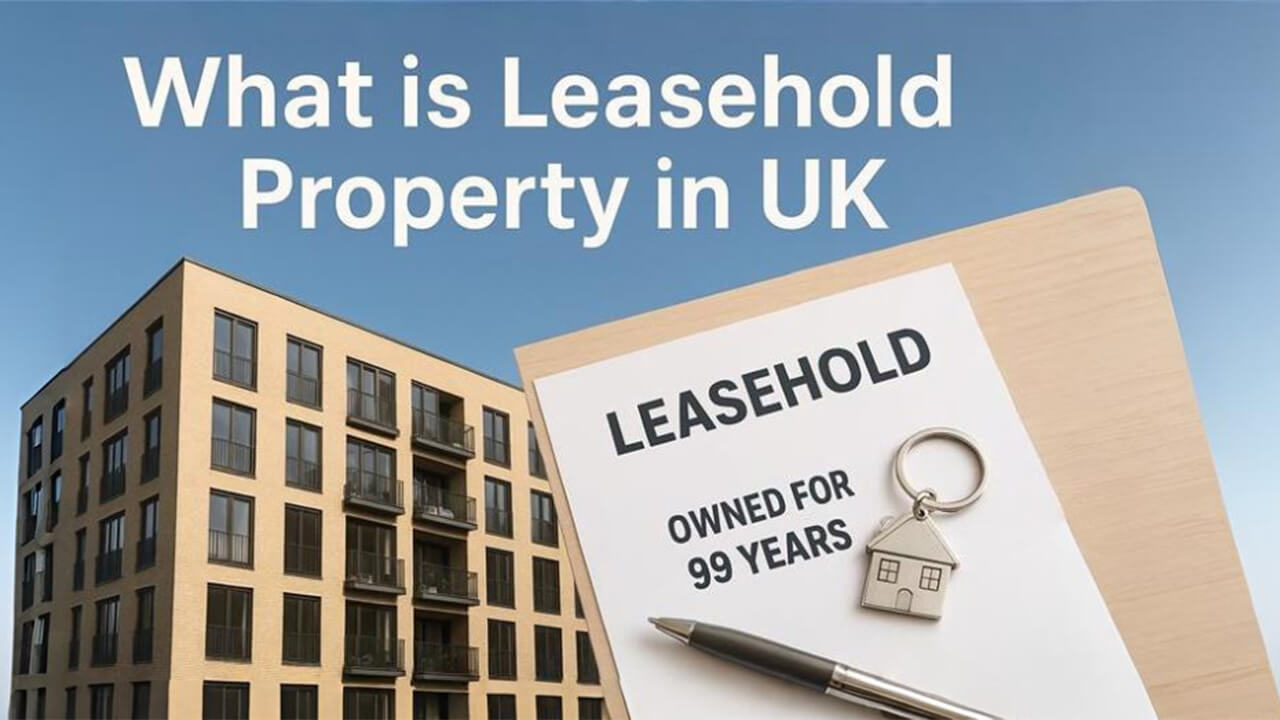
How Much Does It Cost to Convert Leasehold to Freehold in the UK?

For many UK homeowners, owning a leasehold property can feel restrictive. Ground rent, service charges, landlord permissions, and a diminishing lease term often lead leaseholders to consider buying the freehold. One of the most common and important questions is: how much does it cost to convert leasehold to freehold?

The cost of converting leasehold to freehold in the UK varies widely and depends on several legal, financial, and property-specific factors. This guide provides a clear, realistic breakdown of the costs involved, explains how prices are calculated, and helps you decide whether converting to freehold is the right choice for your situation.

1. What Does Converting Leasehold to Freehold Mean?

Converting leasehold to freehold means purchasing the freehold interest from the existing freeholder (landlord). Once the transaction is completed:

  • The lease is removed entirely
  • Ground rent payments end
  • Ownership becomes permanent
  • You gain full control of the property and land

This legal process is known as leasehold enfranchisement and is protected by UK legislation.

2. Who Is Eligible to Convert Leasehold to Freehold?

In most cases, you qualify if:

  • Your property is residential
  • The original lease was longer than 21 years
  • You have owned the lease for at least two years

For houses, individual leaseholders can usually buy the freehold. For flats, leaseholders typically purchase the freehold together through collective enfranchisement.

3. So, How Much Does It Cost to Convert Leasehold to Freehold?

There is no single fixed price. However, most UK leaseholders can expect total costs to fall within the range of £6,000 to £40,000 or more, depending on the property and lease terms.

The total cost is made up of several separate components, all of which should be considered carefully.

1. Freehold Purchase Price

This is the largest part of the cost and is calculated using valuation principles set out in UK law. Factors that affect the price include:

  • Market value of the property
  • Length of the remaining lease
  • Ground rent payable
  • Review clauses in the lease
  • Whether the lease is below 80 years

Typical Price Ranges

  • Lease over 90 years: £3,000 – £8,000
  • Lease close to 80 years: £7,000 – £18,000
  • Lease under 60 years: £20,000 – £30,000+

The shorter the lease, the more expensive the freehold becomes.
lease extension advisory service

2. Marriage Value Explained

One of the most important cost drivers is marriage value.

If your lease has less than 80 years remaining, the law requires the leaseholder to pay marriage value. This represents the increase in property value once leasehold and freehold interests are combined.

  • Marriage value is split 50/50
  • Half is payable to the freeholder
  • It can add many thousands of pounds to the price

This is why many property owners act before the lease drops below 80 years.

3. Valuation Fees

You will need a specialist RICS chartered surveyor experienced in leasehold enfranchisement to calculate a fair price.

Typical valuation costs:

  • £600 – £1,500
  • Higher for complex or high-value properties

A professional valuation protects you from overpaying and strengthens your position during negotiations.

4. Your Legal Fees

A solicitor with leasehold enfranchisement experience is essential. Legal work includes:

  • Serving statutory notices
  • Reviewing lease terms
  • Negotiating with the freeholder
  • Completing the transfer
  • Registering ownership

Typical solicitor fees:

  • £900 – £2,000
  • More if disputes arise

5. Freeholder’s Professional Costs

Under UK law, the leaseholder must cover the freeholder’s reasonable legal and valuation fees. This does not include their negotiation or tribunal costs.

Typical cost range:

  • £1,200 – £3,000

This is a common surprise cost for many leaseholders.

6. Land Registry and Administration Costs

Additional smaller costs include:

  • Land Registry fees
  • Notice fees
  • Deed registration costs

Estimated cost:

  • £100 – £300

While minor, they should still be included in your budget.

3. Estimated Total Cost Breakdown

Cost Category Estimated Amount
Freehold price £3,000 – £30,000+
Valuation £600 – £1,500
Your legal fees £900 – £2,000
Freeholder’s fees £1,200 – £3,000
Admin & registration £100 – £300
Total Estimated Cost £6,000 – £40,000+


Leasehold Valuations in Slough UK

5. Leasehold House vs Leasehold Flat Costs

Leasehold House

  • Usually simpler and cheaper
  • Individual purchase
  • Often £5,000 – £15,000 total

Leasehold Flat

  • Purchased jointly with other leaseholders
  • Costs shared between participants
  • More complex valuation and legal process

While flats involve more coordination, collective enfranchisement often provides long-term savings.

Also, learn more about Why there are two types of ownership in the UK – leasehold and freehold?

6. Is Converting to Freehold Better Than Extending a Lease?

A lease extension may appear cheaper initially, but it does not offer the same benefits.

Lease Extension

  • Adds years to the lease
  • Ground rent may still apply
  • Lease will eventually shorten again

Freehold Purchase

  • Permanent ownership
  • No ground rent
  • Higher resale value
  • Greater control

For long-term ownership, freehold conversion often provides better value.

7. How Long Does the Process Take?

Most leasehold to freehold conversions take:

  • 6 to 12 months on average
  • Longer if negotiations are disputed
  • Tribunal involvement can extend timelines

Early preparation and expert advice help keep the process efficient.

Also, learn more about the Leasehold and Freehold Reform Bill

8. Can a Freeholder Refuse to Sell?

If you meet the legal criteria, the freeholder cannot refuse to sell the freehold. If there is disagreement over price:

  • Negotiations take place
  • Independent valuation evidence is used
  • A tribunal can decide a fair amount

This legal protection prevents unreasonable demands.

9. Is It Worth the Cost?

For many UK homeowners, converting leasehold to freehold is a worthwhile investment. Benefits include:

  • Elimination of ground rent
  • No lease expiry concerns
  • Improved mortgage eligibility
  • Increased property value
  • Full control over the property

In many cases, the cost is reflected in the higher resale price.

10. How to Keep Costs as Low as Possible

  • Act before the lease drops below 80 years
  • Use an experienced RICS surveyor
  • Choose a solicitor specialising in enfranchisement
  • Avoid informal freeholder offers without advice

Professional guidance often saves more than it costs.

Conclusion

So, how much does it cost to convert leasehold to freehold in the UK?
The total cost typically ranges from £6,000 to £40,000 or more, depending on lease length, property value, and professional fees. While the upfront expense can seem significant, freehold ownership offers long-term financial security, increased property value, and complete ownership rights.

Understanding the costs involved and acting at the right time can make converting to freehold one of the most beneficial property decisions a UK leaseholder can make.


What Is Freehold Property UK? A Complete Guide

If you are buying a property in the UK, one of the most important terms you will come across is freehold. Understanding what freehold property means can help you make better decisions, avoid unexpected costs, and protect your long-term investment.

Many buyers assume all property ownership is the same, but in the UK there is a significant legal difference between freehold and leasehold. This guide explains what is freehold property, how it works, its advantages and responsibilities, and why it is often considered the most secure form of property ownership.

1. What Is Freehold Property UK?

Freehold property means that you own the property and the land it is built on outright and indefinitely. There is no time limit on ownership, and no superior landlord or freeholder above you.

When you own a freehold property, you are legally responsible for:

  • The building
  • The land beneath it
  • The structure and exterior
  • Maintenance and repairs

Freehold ownership gives you the highest level of control and long-term security under UK property law.

2. How Freehold Ownership Works in the UK

In a freehold arrangement:

  • Ownership lasts forever
  • There is no lease to expire
  • There are no ground rent payments
  • You do not answer to a landlord

Once purchased, the freehold remains with you until you sell or transfer it.

Most detached houses, semi-detached houses, and terraced houses in the UK are sold as freehold, although there are some exceptions.

lease extension advisory service

3. What Do You Own With a Freehold Property?

Freehold ownership typically includes:

  • The property structure
  • The land on which it stands
  • Gardens and driveways
  • Outbuildings, garages, and fences

This gives the owner full control over how the property is used, within planning and legal regulations.

4. Advantages of Freehold Property

Freehold ownership is generally preferred by UK buyers due to its long-term benefits.

1. Full Ownership and Control

You do not need permission from a landlord to:

  • Carry out extensions
  • Make renovations
  • Change windows or roofing
  • Manage your property

Planning permission and building regulations still apply, but there is no landlord approval required.

 2. No Ground Rent or Service Charges

Unlike leasehold properties, freehold homes do not come with:

  • Ground rent
  • Escalating charges
  • Landlord administration fees

You are only responsible for your own maintenance costs.

3. Long-Term Security

Freehold property ownership does not decrease in value over time due to lease length. This makes it attractive to:

  • Homeowners
  • Long-term investors
  • Mortgage lenders

There is no risk of lease expiry or costly extensions.

4. Easier to Sell and Mortgage

Freehold properties are often:

  • Easier to sell
  • More appealing to buyers
  • Preferred by mortgage lenders

Many lenders apply stricter criteria to leasehold properties, especially those with short leases.

Also, learn more about the Leasehold and Freehold Reform Bill

5. Responsibilities of Freehold Property Owners

While freehold ownership offers freedom, it also comes with responsibilities.

1. Maintenance and Repairs

You are fully responsible for:

  • Roof repairs
  • Structural issues
  • Plumbing and electrics
  • External walls
  • Drainage

There is no landlord to manage or contribute to costs.

2. Insurance

You must arrange your own:

  • Buildings insurance
  • Public liability cover (where applicable)

This ensures the property and land are protected.

3. Legal and Planning Compliance

Freehold owners must follow:

  • Local planning rules
  • Building regulations
  • Boundary laws
  • Rights of way

Ownership does not override legal obligations.

Leasehold Valuations in Slough UK

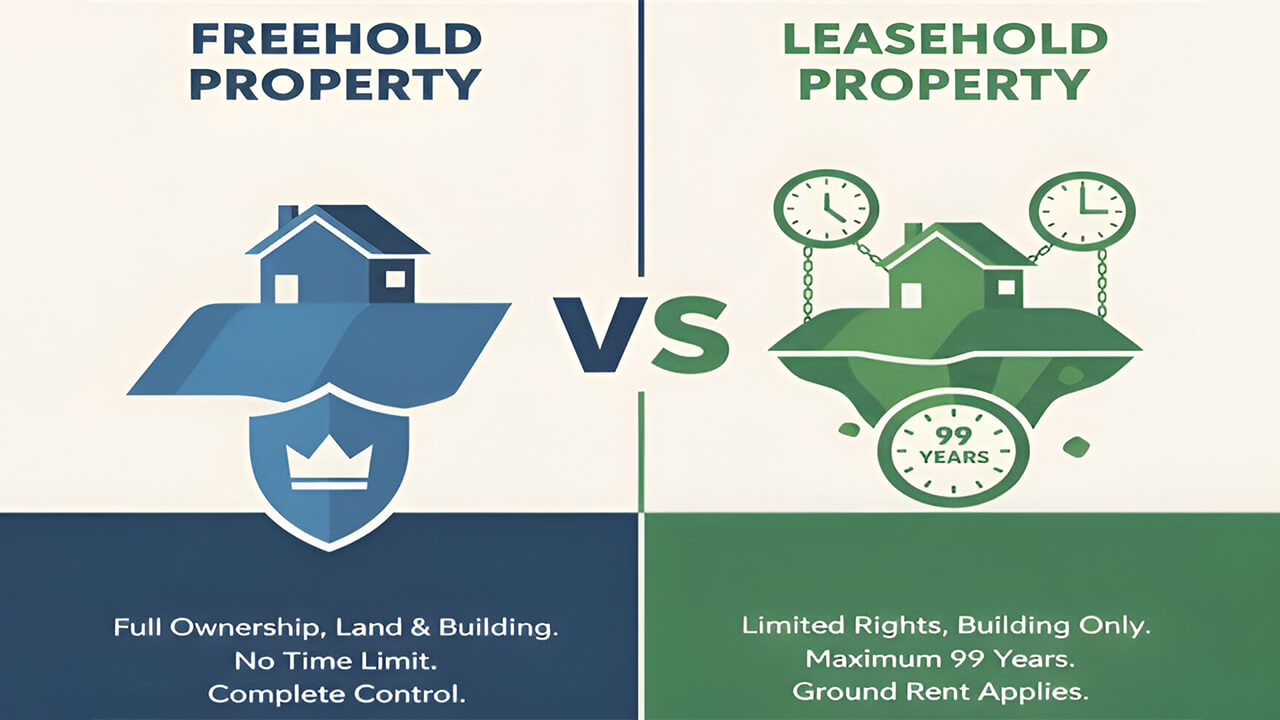
6. Freehold vs Leasehold: Key Differences

Understanding the difference is essential when buying property.

Aspect Freehold Leasehold
Ownership Permanent Fixed term
Land ownership Yes No
Ground rent None Often required
Service charges Usually none Often applicable
Lease expiry Not applicable Yes
Control Full Limited

Freehold offers greater independence and fewer ongoing costs.

7. Are All Houses Freehold in the UK?

Most houses are freehold, but not all.

Some newer developments, particularly estates built in the last 20–30 years, have been sold as leasehold. This has become controversial due to:

  • Rising ground rents
  • High lease extension costs
  • Limited owner rights

As a result, many buyers now actively seek freehold property.

8. What Is a Flying Freehold?

A flying freehold occurs when part of a freehold property extends over or under another property. Common examples include:

  • Rooms over shared passageways
  • Properties built above archways

While still freehold, flying freeholds can require additional legal checks and insurance.

9. Buying a Freehold Property in the UK

When purchasing freehold property, you should:

  • Confirm freehold title with the Land Registry
  • Review boundaries and rights of way
  • Arrange a property survey
  • Check planning history and restrictions

A solicitor and chartered surveyor will help identify any risks.

10. Is Freehold Always Better Than Leasehold?

Freehold is usually preferable, but not always essential.

Leasehold flats, for example, often make sense due to shared structures. However, for houses, freehold ownership is generally recommended due to:

  • Fewer long-term costs
  • Greater control
  • Higher resale appeal

Understanding the legal structure helps you choose wisely.

11. Freehold Reform in the UK

The UK government has proposed reforms aimed at:

  • Making leasehold ownership fairer
  • Reducing ground rents
  • Increasing transparency

Despite this, freehold ownership remains the most secure and straightforward form of property ownership in England and Wales.

Conclusion

Freehold property ownership provides the highest level of security, control, and long-term value in the UK property market. By owning both the building and the land outright, freehold owners avoid lease expiry, ground rent, and landlord restrictions.

Understanding what is freehold property allows buyers to make informed decisions, protect their investment, and enjoy complete ownership of their home.

If you would like additional UK property blogs such as freehold vs leasehold, how to buy freehold, or freehold valuation guides, let me know and I can prepare them for you.

What Is a Section 20 Notice? Full UK Leaseholder Guide

If you own a leasehold property in England or Wales, understanding the Section 20 process is essential. Whether you live in a flat, own a buy-to-let apartment, or manage a block of residential units, you are likely to encounter a Section 20 Notice at some point.

The notice relates to service charges, major works, and long-term agreements. It ensures leaseholders are consulted and treated fairly before being asked to contribute to significant costs. But what is a Section 20 Notice exactly, and how does it affect leaseholders?

This detailed UK guide explains everything you need to know.

1. What Is a Section 20 Notice?

A Section 20 Notice is a formal consultation notice issued by a landlord, freeholder, or property management company under Section 20 of the Landlord and Tenant Act 1985. It must be served when:

  1. The landlord plans to carry out major works costing any leaseholder over £250, or
  2. The landlord wants to enter into a long-term agreement costing any leaseholder over £100 per year.

This notice ensures leaseholders are informed, consulted, and given the opportunity to comment before costs are finalised.

2. Why Is a Section 20 Notice Required?

The purpose of the Section 20 process is to:

  • Protect leaseholders from unexpected or unreasonable costs
  • Ensure transparency between freeholders and residents
  • Allow leaseholders to propose contractors or challenge decisions
  • Provide a structured consultation before major spending

Without this consultation, landlords may be unable to recover costs through service charges.

3. When Is a Section 20 Notice Issued?

The notice is issued in two main situations:

1. Major Works

Examples include:

  • Roof replacement
  • External wall repairs
  • Lift refurbishment
  • Plumbing upgrades
  • Fire safety improvements
  • Window replacement
  • Structural repairs
  • Car park resurfacing

If the cost per leaseholder is more than £250, a Section 20 Notice is legally required.

2. Long-Term Agreements

This applies to contracts lasting over 12 months, such as:

  • Cleaning contracts
  • Maintenance contracts
  • Managing agent agreements
  • Security services
  • Gardening and landscaping services

If the cost exceeds £100 per leaseholder per year, consultation is mandatory.

lease extension advisory service

4. Types of Section 20 Notices

The Section 20 process includes three key stages, depending on the type of works:

1. Notice of Intention (Stage 1)

This is the first step. It must include:

  • The reason for the proposed works
  • The type of work or service planned
  • An invitation for leaseholders to make observations
  • A 30-day consultation period
  • The right for leaseholders to nominate contractors

This ensures leaseholders are aware early in the process.

2. Notice of Estimates (Stage 2)

After collecting contractor estimates, the landlord must issue:

  • At least two different estimates
  • A summary of leaseholder observations
  • Contractor details
  • A 30-day consultation period to review details

Leaseholders may inspect related documents and challenge any concerns.

3. Notice of Award of Contract (Stage 3)

Finally, the landlord announces the chosen contractor and rationale. This is required:

  • If the chosen contractor was not the lowest quote
  • If the contractor was not nominated by leaseholders

This stage provides transparency and accountability.

5. What Happens After a Section 20 Notice Is Issued?

Once the notice is served:

  1. Leaseholders have 30 days to respond with comments.
  2. All feedback must be considered and summarised.
  3. Works or agreements can only proceed after consultation is complete.
  4. Costs will be added to future service charge demands.

The process must be completed correctly; otherwise, landlords risk losing the ability to recover charges.

Also, learn more about The Ultimate Guide to Issuing a Section 20 Notice

6. How Much Can Leaseholders Be Charged Under Section 20?

There is no legal maximum for major works charges. Costs depend on:

  • Building size
  • Type of repairs
  • Contractor rates
  • Urgency of the work

However, leaseholders must only be charged reasonable costs, and every decision must be transparent.

Leasehold Valuations in Slough UK

7. When Is a Section 20 Notice Not Required?

A Section 20 Notice may not be needed if:

  • Works are urgent (for example, health or safety risks)
  • Costs fall below £250 per leaseholder
  • The agreement is shorter than 12 months
  • A tribunal dispensation has been granted

Dispensation allows landlords to skip consultation in specific circumstances.

8. Leaseholder Rights Under Section 20

Leaseholders have important rights, including:

1. The Right to Be Consulted

They must be informed and allowed to participate at all stages.

2. The Right to See Estimates

Leaseholders can view contractor quotes and related documents.

3. The Right to Nominate Contractors

During Stage 1, any leaseholder may suggest their preferred contractor.

4. The Right to Make Observations

Feedback must be considered and recorded.

5. The Right to Challenge Unreasonable Costs

If charges are not fair, leaseholders can take the matter to the tribunal.

9. Common Issues with Section 20 Notices

Leaseholders sometimes face challenges such as:

1. High Service Charges

Major works can be expensive, especially in older buildings.

2. Lack of Transparency

Some managing agents fail to provide clear cost breakdowns.

3. Poor Contractor Performance

The cheapest quote may not always produce the best results.

4. Short Consultation Time

Although 30 days is the legal minimum, it can feel rushed.

5. Inadequate Response to Observations

Not all landlords properly summarise or consider leaseholder feedback.

Being aware of these issues helps leaseholders challenge unfair practices.

10. What If a Landlord Fails to Serve a Section 20 Notice?

If the landlord does not follow the Section 20 consultation process correctly:

  • They may only recover up to £250 per leaseholder, even if the works cost much more.
  • Leaseholders can refuse to pay any additional charges.
  • A tribunal may rule costs as unreasonable.

This is why landlords and managing agents are careful to comply with all stages.

11. How to Challenge a Section 20 Charge

If you believe the works are unnecessary, overpriced, or poorly managed, you can:

  • Submit written observations
  • Ask for documentation
  • Attend residents’ meetings
  • Request detailed cost breakdowns
  • Apply to the First-tier Tribunal (Property Chamber)

The tribunal can investigate and reduce or remove unreasonable charges.

12. How Section 20 Notices Protect Leaseholders

Although they may feel inconvenient, Section 20 Notices provide essential protections by ensuring:

  • Transparency in costs
  • Prevention of financial abuse
  • Fair selection of contractors
  • Proper recording of decisions
  • Reasonable service charges

Without this process, leaseholders would have far less control over significant building expenses.

Conclusion

A Section 20 Notice is a crucial part of leasehold property management in the UK. It ensures landlords consult leaseholders before carrying out major works or entering long-term agreements that affect service charges. Understanding what is a Section 20 Notice, your rights, and the full consultation process helps you avoid unexpected costs and ensures you remain informed about building maintenance decisions.

Whether you are a leaseholder, landlord, property manager, or investor, Section 20 compliance is essential for fair and lawful property management.

What Is a Chartered Surveyor? Full UK Guide

If you live in the UK and have ever bought a property, dealt with land issues, planned construction, or needed valuation services, you have likely heard the term chartered surveyor. But what is a chartered surveyor, and why are they so important in the UK property and construction sectors?

This comprehensive guide explains everything you need to know about chartered surveyors, the roles they play, the qualifications required, and how they help homeowners, businesses, and investors across the UK.

1. What Is a Chartered Surveyor?

A chartered surveyor is a qualified property professional who is officially accredited by the Royal Institution of Chartered Surveyors (RICS). The title indicates a high level of expertise, professional standards, and ethical practices in property, land, and construction-related services.

Chartered surveyors work across a range of sectors such as property valuation, building assessments, land surveying, construction planning, and environmental services. Their role is particularly essential in the UK, where property regulations, land laws, and building standards are detailed and highly regulated.

2. Who Regulates Chartered Surveyors in the UK?

In the UK, chartered surveyors are regulated by:

Royal Institution of Chartered Surveyors (RICS)

RICS sets strict professional standards, codes of conduct, qualifications, and ongoing training requirements. Anyone titled MRICS (Member of RICS) or FRICS (Fellow of RICS) has undergone:

  • Accredited education
  • Professional experience
  • A rigorous assessment (APC – Assessment of Professional Competence)

This accreditation makes them highly trusted professionals in the UK property industry.

lease extension advisory service

3. What Does a Chartered Surveyor Do?

Chartered surveyors provide expert advice and services across property, construction, land, and valuation. Their responsibilities vary depending on their specialisation. Below are the most common areas where chartered surveyors operate.

1. Property Valuation

One of the most common roles is providing accurate property valuations for:

  • Buying or selling property
  • Mortgage valuations
  • Tax purposes
  • Probate and inheritance
  • Investment decisions
  • Insurance assessments

These valuations are based on local market conditions, structural assessments, and legal property records.

2. Building Surveys and Inspections

Chartered building surveyors inspect properties to identify structural issues, safety concerns, defects, and maintenance needs. They provide different levels of surveys including:

RICS Level 1 Survey

Basic condition report.

RICS Level 2 Survey

Homebuyer report with condition ratings.

RICS Level 3 Survey

Full structural survey for older or complex buildings.

These surveys help buyers and homeowners understand the true condition of a property and any future repair costs.

3. Land Surveying

Chartered land surveyors measure land and identify boundaries for:

  • Construction projects
  • Land disputes
  • Infrastructure development
  • Mapping
  • Planning applications

Their accurate measurements ensure legal compliance and prevent boundary conflicts.

4. Construction Planning and Management

Some chartered surveyors work as quantity surveyors or project managers, helping oversee construction projects. Their responsibilities include:

  • Cost estimating and budgeting
  • Project management
  • Contract management
  • Ensuring compliance with UK building regulations
  • Monitoring progress and quality

They ensure projects are delivered safely, legally, and within financial targets.

5. Environmental and Rural Land Services

Chartered surveyors also work in:

  • Agricultural land management
  • Forestry
  • Environmental impact assessments
  • Conservation projects
  • Mineral and energy resource planning

These roles play a key part in shaping rural and environmental development in the UK.

Also, learn more about What is the Role of a Chartered Surveyor

4. Types of Chartered Surveyors in the UK

There are several specialist areas within surveying. The most common types include:

1. Building Surveyor

Focuses on property condition, structural integrity, and building defects.

 2. Quantity Surveyor

Handles construction costs, project budgets, and contract management.

 3. Land Surveyor

Measures land, boundaries, and mapping for planning and development.

4. Valuation Surveyor

Provides valuations for residential, commercial, and industrial properties.

5. Planning and Development Surveyor

Works on planning permission, land use, and development strategy.

6. Environmental Surveyor

Manages sustainability, environmental impact, and rural land issues.

Also, learn more about the What is an RICS surveyor

5. Why Are Chartered Surveyors Important in the UK?

The UK has a complex property market with strict building regulations and land laws. Chartered surveyors ensure:

  • Accurate property information
  • Legal compliance
  • Protection from financial risk
  • Safety in construction and property purchases
  • Efficient dispute resolution
  • Independent, unbiased advice

Whether you’re buying a home, investing in commercial property, or starting a building project, having a chartered surveyor gives confidence and clarity.

Leasehold Valuations in Slough UK

6. How to Become a Chartered Surveyor in the UK

To become a chartered surveyor, individuals must:

  1. Complete a RICS-accredited degree
  2. Gain structured work experience (2 years minimum)
  3. Pass the APC assessment
  4. Maintain ongoing professional development

This ensures high standards and reliability.

7. When Do You Need a Chartered Surveyor?

You may need a chartered surveyor for:

  • Buying or selling a home
  • Renovation or extension planning
  • Property valuation
  • Mortgage assessment
  • Construction budgeting
  • Boundary disputes
  • Commercial property management
  • Rural land planning

Their knowledge enables you to make wise choices and steer clear of expensive blunders.

Conclusion

A chartered surveyor is a highly qualified and regulated professional who plays a vital role in the UK’s property, construction, and land sectors. Their expertise ensures that property valuations, building assessments, land measurements, and construction projects follow UK standards and regulations. Whether you are a homeowner, investor, or business, working with a chartered surveyor gives you confidence, clarity, and a safeguard against financial or legal risks.

Understanding what is a chartered surveyor has become more important than ever in the UK’s fast-evolving property market.

What Is a Leasehold Property? A Complete UK Guide for Buyers

If you’re planning to buy a home in the UK, one term you will definitely come across is leasehold. Many first-time buyers and even experienced homeowners search for “what is a leasehold property” because the concept can feel confusing, especially when compared to freehold ownership. Understanding how a leasehold works is crucial before you invest your money.

In this complete guide, we’ll break down exactly what a leasehold property is, how it differs from other ownership types, what responsibilities and costs are involved, and the key things every buyer should check before purchasing.

Let’s get started.

1. What Is a Leasehold Property? 

A leasehold property is a home that you own for a fixed number of years, but you do not own the land it sits on. Instead, the land is owned by a separate person or company called the freeholder or landlord.

You purchase the right to live in the property for the length of the lease, which is usually between 90 and 999 years. When the lease ends, ownership returns to the freeholder unless you extend it.

This is the simplest way to understand what is a leasehold property:
You own the property, but not the land, and the ownership is time-limited.

2. How Does Leasehold Ownership Work?

When you buy a leasehold property, you’re buying:

  • The right to occupy the property
  • The remaining years on the lease
  • The conditions and rules set out in the legal document

The legal document, known as the lease, explains your rights and responsibilities, as well as what you must pay to the freeholder.

Unlike freehold, where ownership is absolute and permanent, leasehold ownership operates a bit like a long-term contract.

3. Where Are Leasehold Properties Common in the UK?

In the UK, leasehold properties are most common in:

  • Flats and apartments (almost all are leasehold)
  • Maisonettes
  • Some new-build houses (although this practice is declining due to government reforms)

Cities like London, Manchester, Birmingham, Leeds, and Bristol have a high concentration of leasehold homes because of the large number of multi-storey buildings.

lease extension advisory service

4. What Does a Lease Include?

A lease is a legal document that outlines all rights, limitations, and financial obligations.

A typical lease includes:

  • Length of the lease
  • Ground rent amount
  • Service charges and how they’re calculated
  • Who is responsible for repairs
  • Rules on pets, subletting, or renovations
  • Information on extending the lease
  • Building insurance responsibilities

Before buying, it’s crucial to read the lease carefully; this defines everything about your ownership.

5. Key Features of a Leasehold Property

1. Fixed-Term Ownership

You own the property for a defined period. The shorter the lease becomes, the lower the property value.

2. Ground Rent

Some leases require you to pay ground rent to the freeholder each year. Many new leases now set this to £0, but older leases may still charge it.

3. Service Charges

These charges cover maintenance of shared areas, such as:

  • Lifts
  • Hallways
  • Roofs
  • Gardens
  • Communal utilities

Service charges can significantly increase your cost of living.

4. Restrictions in the Lease

Leaseholders often face rules that freeholders enforce, such as:

  • No major structural changes without permission
  • Restrictions on pets
  • Limits on subletting
  • Requirements for certain types of flooring

These restrictions vary by building.

5. Lease Extensions

As the lease reduces, so does the property value. Extending the lease is often necessary, especially when it drops below 80 years.

Also, learn more about the Why Would Anyone Buy a Leasehold Property

6. Why Does the Lease Length Matter?

One of the most important aspects of understanding what a leasehold property is involves knowing how lease length impacts value.

Key Milestones

    • 100+ years: Excellent easy to sell or mortgage
    • 90–80 years: Acceptable, but extension should be considered
  • Below 80 years: Extension becomes costly due to “marriage value”
  • Below 70 years: Hard to mortgage
  • Below 60 years: Property value drops significantly

Mortgage lenders often refuse properties with short leases, making it critical to check this before buying.

Leasehold Valuations in Slough UK

7. Pros of Leasehold Properties

While leasehold ownership comes with more conditions, it also offers benefits, especially for first-time buyers and city dwellers.

1. Lower Purchase Price

Leasehold flats are often more affordable than freehold houses in major UK cities.

2. Building Maintenance Managed for You

Freeholders or managing agents take care of:

  • Roof repairs
  • Hallway cleaning
  • Lift maintenance
  • Structural upkeep

This removes the burden of coordinating large-scale repairs.

3. Ideal for Urban Living

Cities with high-rise buildings rely on leasehold ownership structures to manage shared spaces effectively.

4. Building Insurance Included

Most leasehold arrangements include insurance for the entire building (paid via service charges).

8. Cons of Leasehold Properties

Understanding the downsides is essential before buying:

1. Extra Costs Can Add Up

Ground rent, service charges, and admin fees can be high.

2. Restrictions on What You Can Do

You may need permission for:

  • Extensions
  • Structural changes
  • Flooring changes
  • Subletting

3. Lease Extension Costs

Extending a lease can be expensive, particularly below the 80-year threshold.

4. Managing Agents or Freeholders May Be Unresponsive

This is a common frustration among leaseholders.

9. What Costs Should Leasehold Buyers Expect?

Here are the main financial responsibilities:

1. Purchase Price of the Property

This includes the value of the remaining lease.

2. Ground Rent (where applicable)

Can be:

  • Fixed
  • Rising in increments
  • Zero (for modern leases)

3. Service Charges

Typically paid annually or quarterly.

4. Reserve Fund Contributions

A pot of money saved for major works, such as replacing roofs.

5. Admin or Permission Fees

For example:

  • Selling notice fees
  • Deed of covenant charges
  • Subletting permission
  • Landlord enquiries

6. Lease Extension Costs

Varies based on lease length, property value, and freeholder fees.

10. Key Questions to Ask When Buying a Leasehold Property

Before purchasing, make sure you get clear answers to these:

1. How many years remain on the lease?

Aim for 90+ years.

2. How much are the service charges?

Ask for a five-year history if possible.

3. What is the ground rent structure?

Is it fixed or escalating?

4. Are there any planned major works?

This can affect costs in the next few years.

5. What restrictions are in the lease?

E.g., pets, letting, changes to property.

6. Who manages the building?

A good managing agent makes a huge difference.

7. Are there disputes between leaseholders and freeholder?

Check for tribunal cases or complaints.

11. Leasehold vs Freehold: What’s the Difference?

To fully understand what a leasehold property is, it helps to compare it with freehold.

Feature Leasehold Freehold
Ownership Property only, for set years Property + land, indefinitely
Restrictions Often many Few
Extra Costs Service charges, ground rent Usually none
Maintenance Shared responsibility Owner’s responsibility
Best For Flats Houses

12. Is a Leasehold Property Right for You?

A leasehold home may be right for you if:

  • You prefer lower upfront costs
  • You want a flat in a city location
  • You prefer not to manage building maintenance
  • You’re comfortable with rules set by a freeholder

However, if you want full control and long-term ownership without restrictions, freehold might be more suitable.

Conclusion: What Is a Leasehold Property?

A leasehold property is a home you own for a set period, but not the land it stands on. It comes with additional responsibilities, annual costs, and restrictions but it also provides an affordable route into property ownership, especially in urban areas.

Understanding what is a leasehold property helps you make a confident, informed buying decision. Before purchasing, check the lease length, service charges, ground rent structure, and any restrictions to avoid unexpected costs.

The key is clear knowledge and proper due diligence with this, a leasehold property can be an excellent choice for many UK buyers.

Difference Between Leasehold and Freehold in the UK

If you’re planning to buy a home in the UK, one of the first questions you’ll face is the difference between leasehold and freehold. These two terms define how a property is owned, what rights you have, what costs you’ll face, and how easy  or complicated  your long-term ownership could be.

For new buyers especially, the terminology can feel confusing. But understanding the difference between leasehold and freehold in the UK is crucial for making a confident and informed decision.

In this guide, we’ll break everything down in a clear, practical way. From ownership rights to hidden costs and legal responsibilities, here’s everything you need to know.

1. What Does “Freehold” Mean in the UK?

A freehold property means you own the building and the land it sits on outright, with no time limit. Once purchased, your ownership is permanent unless you choose to sell it.

Key Characteristics of Freehold

  • Ownership: You own the property and the land indefinitely.
  • No Ground Rent: There’s no annual ground rent to pay.
  • No Lease Expiry: Your ownership doesn’t run out.
  • Low Restrictions: Fewer limitations from third parties.
  • Suitable For: Most houses in England and Wales.

Typical Costs for Freehold Owners

  • Routine maintenance
  • Property insurance
  • Any improvements (e.g., roof, structure, extensions)

Because you control the land, you’re responsible for maintaining the property entirely  but you also have full freedom to modify or extend, subject to planning permission.

2. What Does “Leasehold” Mean in the UK?

A leasehold property means you own the property for a fixed period, but not the land it sits on. The landowner (known as the freeholder) grants you a long-term lease, usually between 90 and 999 years.

Key Characteristics of Leasehold

  • Time-Limited Ownership: Lease length reduces yearly.
  • Ground Rent: Some leasehold properties include annual ground rent (though many modern leases have £0 rent due to reforms).
  • Service Charges: Regular payments for building maintenance and shared areas.
  • Restrictions: Limitations on changes, pets, subletting, or alterations.
  • Common For: Flats and some new-build houses (though the government is phasing this out).

Typical Costs for Leaseholders

  • Ground rent (where applicable)
  • Service charges
  • Maintenance fees for shared areas
  • Building insurance (normally arranged by freeholder)
  • Lease extension charges

Leaseholders have fewer rights and must follow terms set by the freeholder or managing agent.


3. Main Difference Between Leasehold and Freehold (Easy Comparison Table)

Feature Freehold Leasehold
Ownership Building + land Building only
Time Limit No Yes, lease expires
Ground Rent No Sometimes (varies)
Service Charges Rare Common
Restrictions Minimal Often many
Common Property Type  Houses Flats
Responsibility Full responsibility  Shared with freeholder
Lease Extension Not needed Required when lease shortens


4. Why Does the Lease Length Matter?

A lease is a declining asset. The lower the number of years left, the less valuable the property becomes.

Critical Milestones

  • 80 Years Remaining: Extension becomes more expensive; “marriage value” applies.
  • 70–60 Years: Property harder to sell and mortgage.
  • Below 60 Years: Many lenders refuse mortgages.

This is why understanding the difference between leasehold and freehold in the UK can directly affect the long-term value of your investment.

5. Lease Extensions: A Cost Buyers Shouldn’t Ignore

If a lease is short, you may need to extend it  but this can cost thousands.

Lease Extension Costs Depend On:

  • Property value
  • Years remaining on the lease
  • Ground rent terms
  • Legal and surveyor fees

Buyers often negotiate price reductions if the lease is below 90 years. Always check the lease before making an offer.

Also, learn more about the Leasehold and Freehold Reform Bill

6. Costs You Must Consider Before Buying Leasehold

Buying leasehold comes with ongoing charges, including:

1. Service Charges

Paid for maintenance, cleaning, utilities of shared spaces (lifts, gardens, hallways, roofs).

2. Ground Rent

Some older leases have escalating rents  though new leasehold reforms aim to reduce or eliminate these.

Leasehold Valuations in Slough UK

3. Admin Fees

Charged for permissions, paperwork, landlord queries, and notices.

4. Reserve Funds

Set aside for major works such as replacing lifts or roofs.

These can significantly increase your annual cost of living.

7. Advantages of Freehold (Why Many Buyers Prefer It)

✔️ Full ownership
✔️ No lease complications
✔️ No ground rent or service charges
✔️ More control over modifications
✔️ Easier resale
✔️ Higher long-term property value

For many buyers, choosing freehold feels more secure and straightforward.

8. Advantages of Leasehold

While leasehold has more limitations, it also has benefits, particularly for flat owners.

✔️ Lower purchase price compared to freehold equivalents
✔️ Building insurance handled by freeholder
✔️ Maintenance of shared areas taken care of
✔️ Structured management of building
✔️ Ideal for city-centre living where most buildings are flats

The key is understanding your lease terms clearly.

9. Is Freehold Always Better Than Leasehold?

Not always. It depends on:

  • Where you want to live
  • Your budget
  • Property type (most flats must be leasehold)
  • Your willingness to manage maintenance yourself

The real question isn’t which is better overall, but which is better for your lifestyle and long-term goals.

10. Which Is Better for First-Time Buyers?

Freehold is better if you want:

  • A house
  • Long-term ownership
  • No lease complications
  • Full control

Leasehold is suitable if you want:

  • A flat in a prime location
  • Lower upfront costs
  • Shared building responsibilities

For many first-time buyers in large cities, leasehold flats are the most realistic entry point into the property market.

11. Common Misconceptions About Leasehold and Freehold

Myth 1: Leasehold Means You’re Renting

False  you own the property, just not the land.

Myth 2: All Leaseholds Are Bad

Not true. Many are well-managed and offer excellent living conditions.

Myth 3: Freehold Means No Costs

You still face repairs, insurance, and maintenance.

Conclusion: What Is the Real Difference Between Leasehold and Freehold?

The difference between leasehold and freehold in the UK comes down to ownership length, responsibility, costs, and control. Freehold gives you permanent ownership with fewer restrictions, while leasehold offers shorter-term ownership with additional costs and limitations  but often at a lower initial price.

Before buying, always:

  • Check the lease length
  • Review service charges
  • Understand ground rent terms
  • Research the freeholder or managing agent
  • Seek legal advice if unsure

Making the right choice depends on your financial goals and the type of property you want. With the right understanding, both leasehold and freehold can be excellent long-term investments.

Free Consultation

Call 01753 542984 for a FREE 10 minute consultation on your lease
extension or freehold purchase.

Leasehold Valuations
×

Grab Your FREE Consultation with Leasehold Valuations

We could save you £XXX. Why not have a free 10 minute consultation?