leaseholdvaluationsuk@gmail.com
 Call us at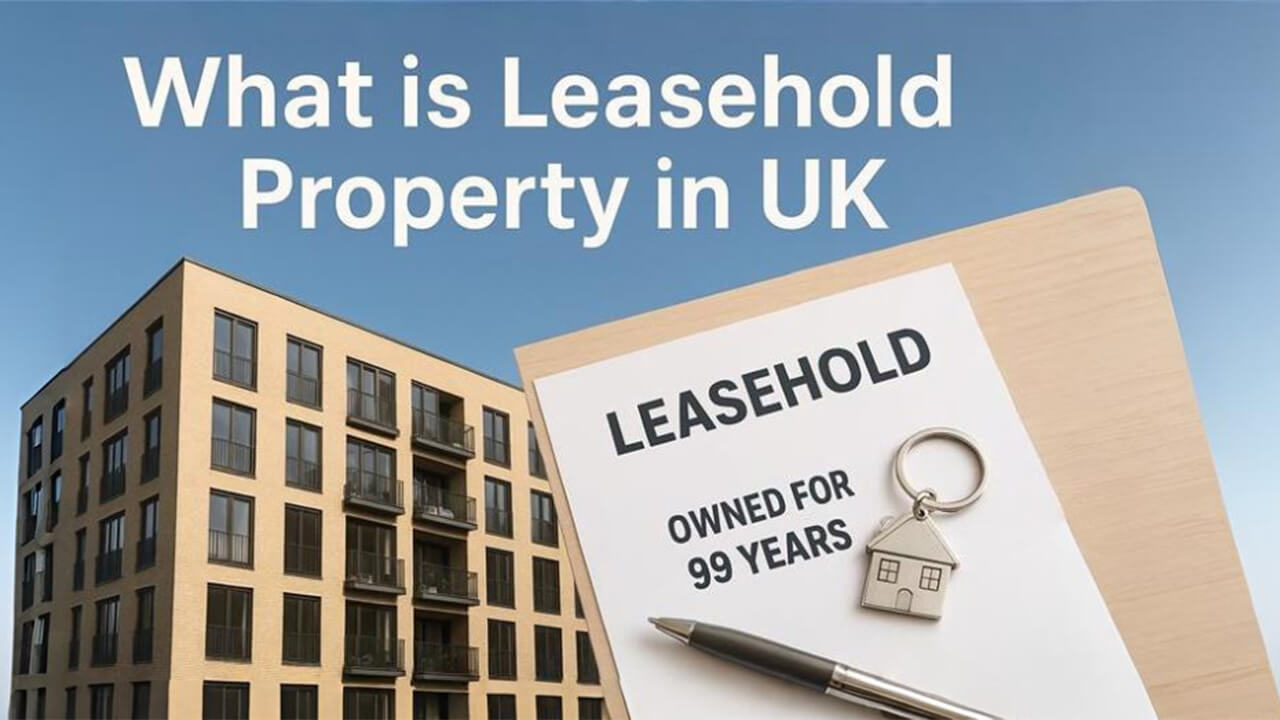
If you’re planning to buy a home in the UK, one term you will definitely come across is leasehold. Many first-time buyers and even experienced homeowners search for “what is a leasehold property” because the concept can feel confusing, especially when compared to freehold ownership. Understanding how a leasehold works is crucial before you invest your money.
In this complete guide, we’ll break down exactly what a leasehold property is, how it differs from other ownership types, what responsibilities and costs are involved, and the key things every buyer should check before purchasing.
Let’s get started.
1. What Is a Leasehold Property?
A leasehold property is a home that you own for a fixed number of years, but you do not own the land it sits on. Instead, the land is owned by a separate person or company called the freeholder or landlord.
You purchase the right to live in the property for the length of the lease, which is usually between 90 and 999 years. When the lease ends, ownership returns to the freeholder unless you extend it.
This is the simplest way to understand what is a leasehold property:
You own the property, but not the land, and the ownership is time-limited.
2. How Does Leasehold Ownership Work?
When you buy a leasehold property, you’re buying:
- The right to occupy the property
- The remaining years on the lease
- The conditions and rules set out in the legal document
The legal document, known as the lease, explains your rights and responsibilities, as well as what you must pay to the freeholder.
Unlike freehold, where ownership is absolute and permanent, leasehold ownership operates a bit like a long-term contract.
3. Where Are Leasehold Properties Common in the UK?
In the UK, leasehold properties are most common in:
- Flats and apartments (almost all are leasehold)
- Maisonettes
- Some new-build houses (although this practice is declining due to government reforms)
Cities like London, Manchester, Birmingham, Leeds, and Bristol have a high concentration of leasehold homes because of the large number of multi-storey buildings.
4. What Does a Lease Include?
A lease is a legal document that outlines all rights, limitations, and financial obligations.
A typical lease includes:
- Length of the lease
- Ground rent amount
- Service charges and how they’re calculated
- Who is responsible for repairs
- Rules on pets, subletting, or renovations
- Information on extending the lease
- Building insurance responsibilities
Before buying, it’s crucial to read the lease carefully; this defines everything about your ownership.
5. Key Features of a Leasehold Property
1. Fixed-Term Ownership
You own the property for a defined period. The shorter the lease becomes, the lower the property value.
2. Ground Rent
Some leases require you to pay ground rent to the freeholder each year. Many new leases now set this to £0, but older leases may still charge it.
3. Service Charges
These charges cover maintenance of shared areas, such as:
- Lifts
- Hallways
- Roofs
- Gardens
- Communal utilities
Service charges can significantly increase your cost of living.
4. Restrictions in the Lease
Leaseholders often face rules that freeholders enforce, such as:
- No major structural changes without permission
- Restrictions on pets
- Limits on subletting
- Requirements for certain types of flooring
These restrictions vary by building.
5. Lease Extensions
As the lease reduces, so does the property value. Extending the lease is often necessary, especially when it drops below 80 years.
Also, learn more about the Why Would Anyone Buy a Leasehold Property
6. Why Does the Lease Length Matter?
One of the most important aspects of understanding what a leasehold property is involves knowing how lease length impacts value.
Key Milestones
-
- 100+ years: Excellent easy to sell or mortgage
- 90–80 years: Acceptable, but extension should be considered
- Below 80 years: Extension becomes costly due to “marriage value”
- Below 70 years: Hard to mortgage
- Below 60 years: Property value drops significantly
Mortgage lenders often refuse properties with short leases, making it critical to check this before buying.

7. Pros of Leasehold Properties
While leasehold ownership comes with more conditions, it also offers benefits, especially for first-time buyers and city dwellers.
1. Lower Purchase Price
Leasehold flats are often more affordable than freehold houses in major UK cities.
2. Building Maintenance Managed for You
Freeholders or managing agents take care of:
- Roof repairs
- Hallway cleaning
- Lift maintenance
- Structural upkeep
This removes the burden of coordinating large-scale repairs.
3. Ideal for Urban Living
Cities with high-rise buildings rely on leasehold ownership structures to manage shared spaces effectively.
4. Building Insurance Included
Most leasehold arrangements include insurance for the entire building (paid via service charges).
8. Cons of Leasehold Properties
Understanding the downsides is essential before buying:
1. Extra Costs Can Add Up
Ground rent, service charges, and admin fees can be high.
2. Restrictions on What You Can Do
You may need permission for:
- Extensions
- Structural changes
- Flooring changes
- Subletting
3. Lease Extension Costs
Extending a lease can be expensive, particularly below the 80-year threshold.
4. Managing Agents or Freeholders May Be Unresponsive
This is a common frustration among leaseholders.
9. What Costs Should Leasehold Buyers Expect?
Here are the main financial responsibilities:
1. Purchase Price of the Property
This includes the value of the remaining lease.
2. Ground Rent (where applicable)
Can be:
- Fixed
- Rising in increments
- Zero (for modern leases)
3. Service Charges
Typically paid annually or quarterly.
4. Reserve Fund Contributions
A pot of money saved for major works, such as replacing roofs.
5. Admin or Permission Fees
For example:
- Selling notice fees
- Deed of covenant charges
- Subletting permission
- Landlord enquiries
6. Lease Extension Costs
Varies based on lease length, property value, and freeholder fees.
10. Key Questions to Ask When Buying a Leasehold Property
Before purchasing, make sure you get clear answers to these:
1. How many years remain on the lease?
Aim for 90+ years.
2. How much are the service charges?
Ask for a five-year history if possible.
3. What is the ground rent structure?
Is it fixed or escalating?
4. Are there any planned major works?
This can affect costs in the next few years.
5. What restrictions are in the lease?
E.g., pets, letting, changes to property.
6. Who manages the building?
A good managing agent makes a huge difference.
7. Are there disputes between leaseholders and freeholder?
Check for tribunal cases or complaints.
11. Leasehold vs Freehold: What’s the Difference?
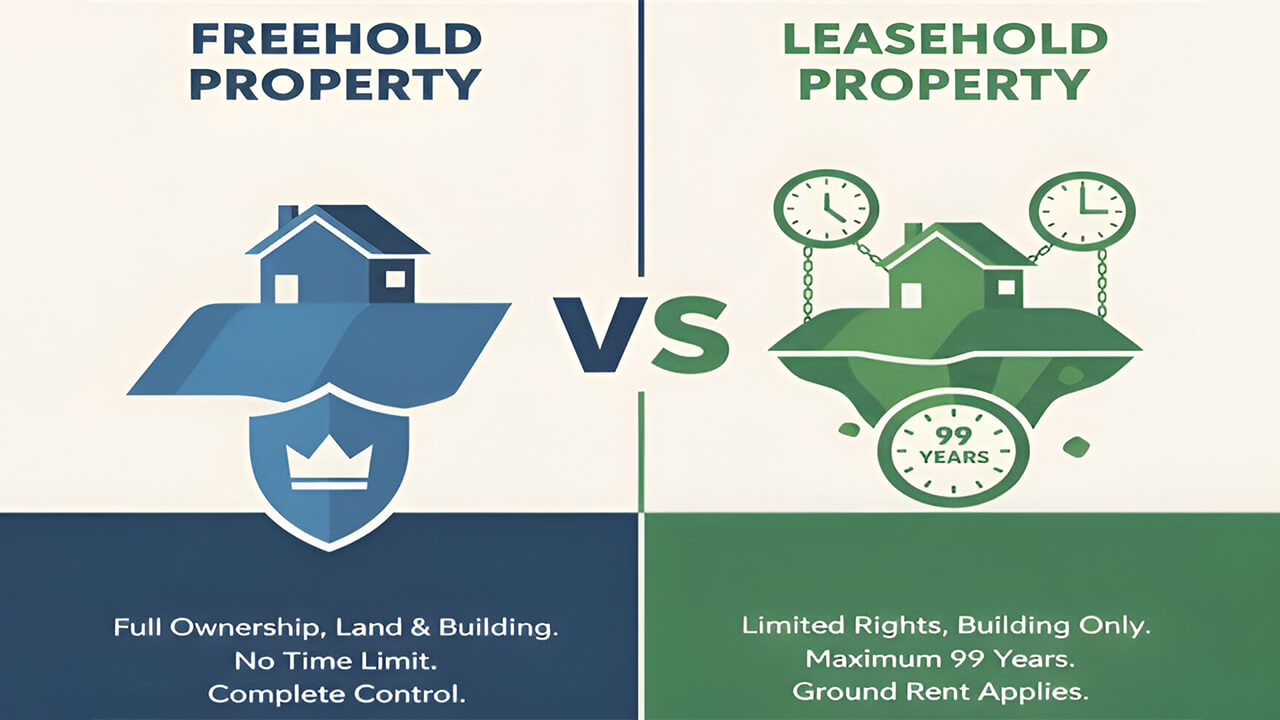
To fully understand what a leasehold property is, it helps to compare it with freehold.
| Feature | Leasehold | Freehold |
| Ownership | Property only, for set years | Property + land, indefinitely |
| Restrictions | Often many | Few |
| Extra Costs | Service charges, ground rent | Usually none |
| Maintenance | Shared responsibility | Owner’s responsibility |
| Best For | Flats | Houses |
12. Is a Leasehold Property Right for You?
A leasehold home may be right for you if:
- You prefer lower upfront costs
- You want a flat in a city location
- You prefer not to manage building maintenance
- You’re comfortable with rules set by a freeholder
However, if you want full control and long-term ownership without restrictions, freehold might be more suitable.
Conclusion: What Is a Leasehold Property?
A leasehold property is a home you own for a set period, but not the land it stands on. It comes with additional responsibilities, annual costs, and restrictions but it also provides an affordable route into property ownership, especially in urban areas.
Understanding what is a leasehold property helps you make a confident, informed buying decision. Before purchasing, check the lease length, service charges, ground rent structure, and any restrictions to avoid unexpected costs.
The key is clear knowledge and proper due diligence with this, a leasehold property can be an excellent choice for many UK buyers.