 leaseholdvaluationsuk@gmail.com
 Call us at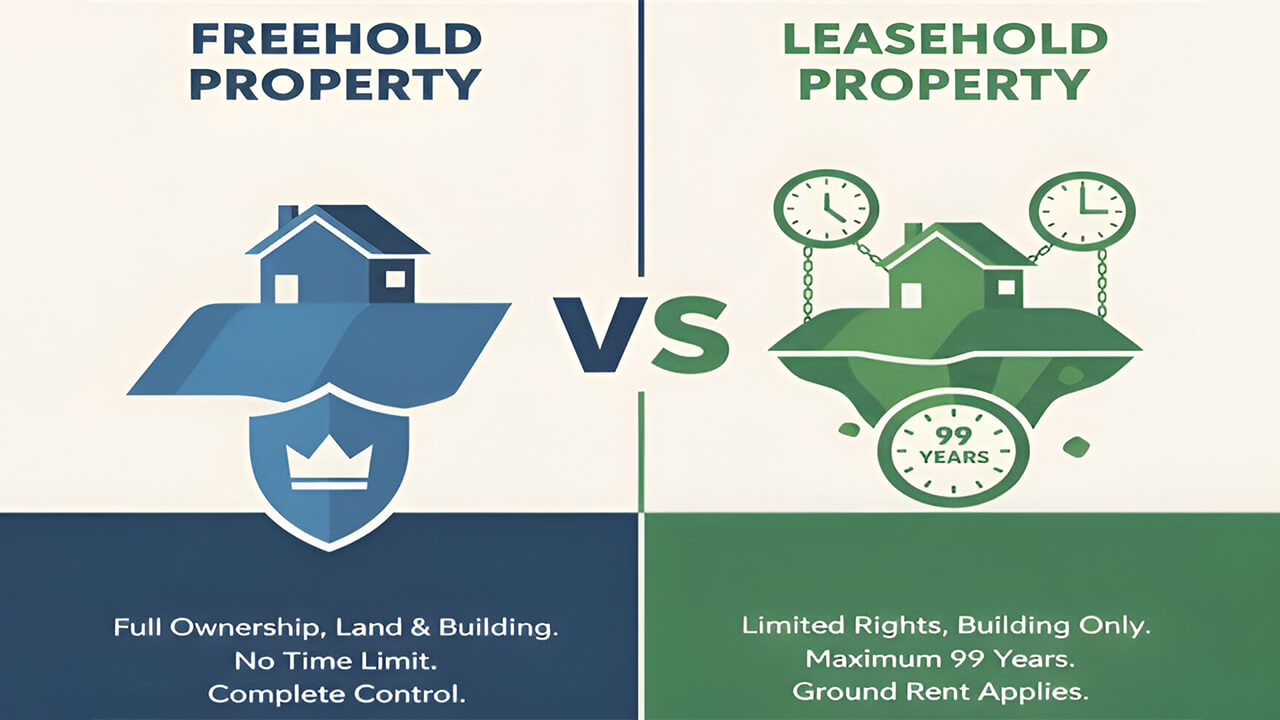
Difference Between Leasehold and Freehold in the UK
Quick Enquiry Form
If you’re planning to buy a home in the UK, one of the first questions you’ll face is the difference between leasehold and freehold. These two terms define how a property is owned, what rights you have, what costs you’ll face, and how easy or complicated your long-term ownership could be.
For new buyers especially, the terminology can feel confusing. But understanding the difference between leasehold and freehold in the UK is crucial for making a confident and informed decision.
In this guide, we’ll break everything down in a clear, practical way. From ownership rights to hidden costs and legal responsibilities, here’s everything you need to know.
1. What Does “Freehold” Mean in the UK?
A freehold property means you own the building and the land it sits on outright, with no time limit. Once purchased, your ownership is permanent unless you choose to sell it.
Key Characteristics of Freehold
- Ownership: You own the property and the land indefinitely.
- No Ground Rent: There’s no annual ground rent to pay.
- No Lease Expiry: Your ownership doesn’t run out.
- Low Restrictions: Fewer limitations from third parties.
- Suitable For: Most houses in England and Wales.
Typical Costs for Freehold Owners
- Routine maintenance
- Property insurance
- Any improvements (e.g., roof, structure, extensions)
Because you control the land, you’re responsible for maintaining the property entirely but you also have full freedom to modify or extend, subject to planning permission.
2. What Does “Leasehold” Mean in the UK?
A leasehold property means you own the property for a fixed period, but not the land it sits on. The landowner (known as the freeholder) grants you a long-term lease, usually between 90 and 999 years.
Key Characteristics of Leasehold
- Time-Limited Ownership: Lease length reduces yearly.
- Ground Rent: Some leasehold properties include annual ground rent (though many modern leases have £0 rent due to reforms).
- Service Charges: Regular payments for building maintenance and shared areas.
- Restrictions: Limitations on changes, pets, subletting, or alterations.
- Common For: Flats and some new-build houses (though the government is phasing this out).
Typical Costs for Leaseholders
- Ground rent (where applicable)
- Service charges
- Maintenance fees for shared areas
- Building insurance (normally arranged by freeholder)
- Lease extension charges
Leaseholders have fewer rights and must follow terms set by the freeholder or managing agent.
3. Main Difference Between Leasehold and Freehold (Easy Comparison Table)
| Feature | Freehold | Leasehold |
| Ownership | Building + land | Building only |
| Time Limit | No | Yes, lease expires |
| Ground Rent | No | Sometimes (varies) |
| Service Charges | Rare | Common |
| Restrictions | Minimal | Often many |
| Common Property Type | Houses | Flats |
| Responsibility | Full responsibility | Shared with freeholder |
| Lease Extension | Not needed | Required when lease shortens |
4. Why Does the Lease Length Matter?
A lease is a declining asset. The lower the number of years left, the less valuable the property becomes.
Critical Milestones
- 80 Years Remaining: Extension becomes more expensive; “marriage value” applies.
- 70–60 Years: Property harder to sell and mortgage.
- Below 60 Years: Many lenders refuse mortgages.
This is why understanding the difference between leasehold and freehold in the UK can directly affect the long-term value of your investment.
5. Lease Extensions: A Cost Buyers Shouldn’t Ignore
If a lease is short, you may need to extend it but this can cost thousands.
Lease Extension Costs Depend On:
- Property value
- Years remaining on the lease
- Ground rent terms
- Legal and surveyor fees
Buyers often negotiate price reductions if the lease is below 90 years. Always check the lease before making an offer.
Also, learn more about the Leasehold and Freehold Reform Bill
6. Costs You Must Consider Before Buying Leasehold
Buying leasehold comes with ongoing charges, including:
1. Service Charges
Paid for maintenance, cleaning, utilities of shared spaces (lifts, gardens, hallways, roofs).
2. Ground Rent
Some older leases have escalating rents though new leasehold reforms aim to reduce or eliminate these.

3. Admin Fees
Charged for permissions, paperwork, landlord queries, and notices.
4. Reserve Funds
Set aside for major works such as replacing lifts or roofs.
These can significantly increase your annual cost of living.
7. Advantages of Freehold (Why Many Buyers Prefer It)
✔️ Full ownership
✔️ No lease complications
✔️ No ground rent or service charges
✔️ More control over modifications
✔️ Easier resale
✔️ Higher long-term property value
For many buyers, choosing freehold feels more secure and straightforward.
8. Advantages of Leasehold
While leasehold has more limitations, it also has benefits, particularly for flat owners.
✔️ Lower purchase price compared to freehold equivalents
✔️ Building insurance handled by freeholder
✔️ Maintenance of shared areas taken care of
✔️ Structured management of building
✔️ Ideal for city-centre living where most buildings are flats
The key is understanding your lease terms clearly.
9. Is Freehold Always Better Than Leasehold?
Not always. It depends on:
- Where you want to live
- Your budget
- Property type (most flats must be leasehold)
- Your willingness to manage maintenance yourself
The real question isn’t which is better overall, but which is better for your lifestyle and long-term goals.
10. Which Is Better for First-Time Buyers?
Freehold is better if you want:
- A house
- Long-term ownership
- No lease complications
- Full control
Leasehold is suitable if you want:
- A flat in a prime location
- Lower upfront costs
- Shared building responsibilities
For many first-time buyers in large cities, leasehold flats are the most realistic entry point into the property market.
11. Common Misconceptions About Leasehold and Freehold
Myth 1: Leasehold Means You’re Renting
False you own the property, just not the land.
Myth 2: All Leaseholds Are Bad
Not true. Many are well-managed and offer excellent living conditions.
Myth 3: Freehold Means No Costs
You still face repairs, insurance, and maintenance.
Conclusion: What Is the Real Difference Between Leasehold and Freehold?
The difference between leasehold and freehold in the UK comes down to ownership length, responsibility, costs, and control. Freehold gives you permanent ownership with fewer restrictions, while leasehold offers shorter-term ownership with additional costs and limitations but often at a lower initial price.
Before buying, always:
- Check the lease length
- Review service charges
- Understand ground rent terms
- Research the freeholder or managing agent
- Seek legal advice if unsure
Making the right choice depends on your financial goals and the type of property you want. With the right understanding, both leasehold and freehold can be excellent long-term investments.
